
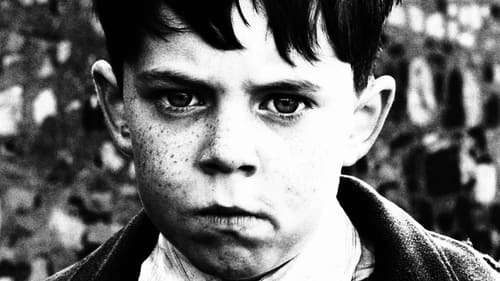
 IEAngela's Ashes1999 · Film · ★ 7.3
Dulo
121 films and 100 series from four countries, 1973 to 2026, with 3,027 episodes listed.
Top rated
View all (17)IEAngela's Ashes1999 · Film · ★ 7.3 GBFather Ted1995 · Series · ★ 8.2
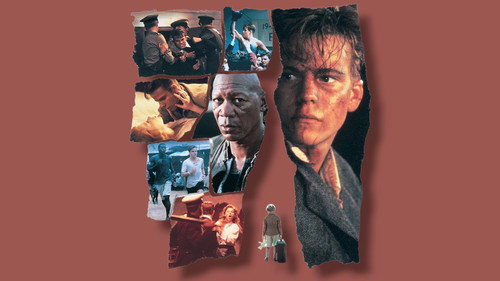 FRThe Power of One1992 · Film · ★ 7.5
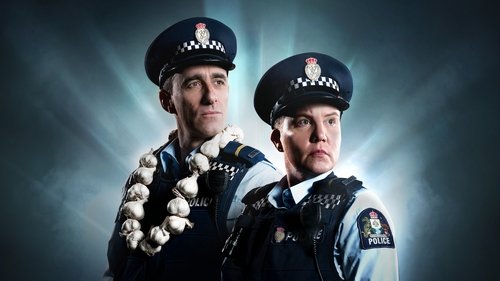 NZWellington Paranormal2018 · Series · ★ 7.0
From Australia
View all (81)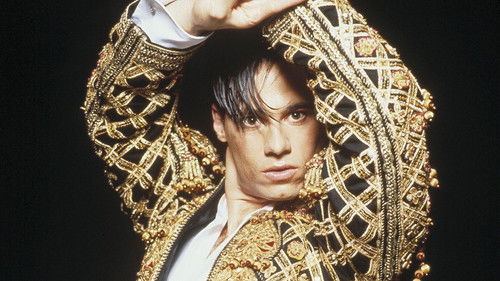 AU
AU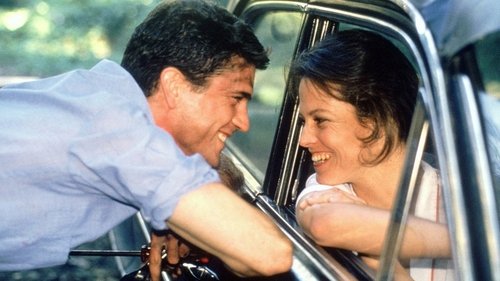 AU
AU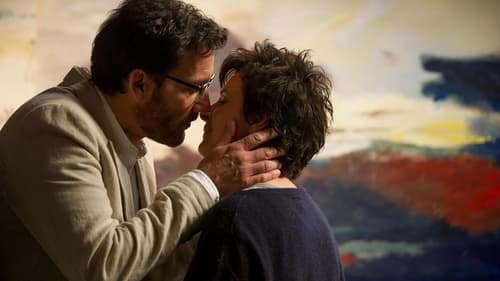 AU
AU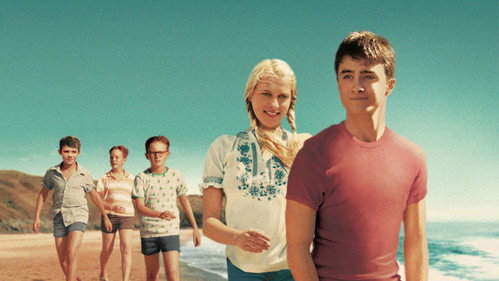 AU
AU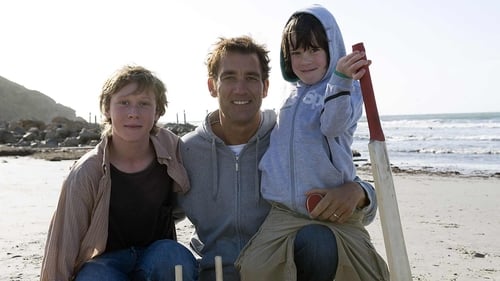 AU
AU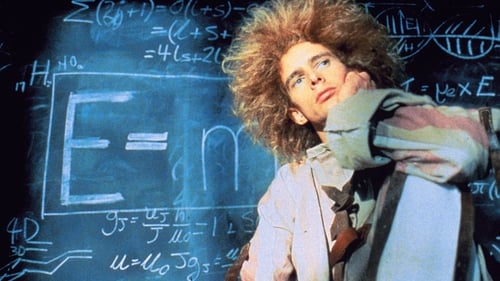 AU
AU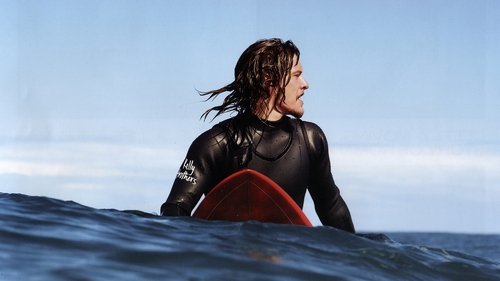 AU
AU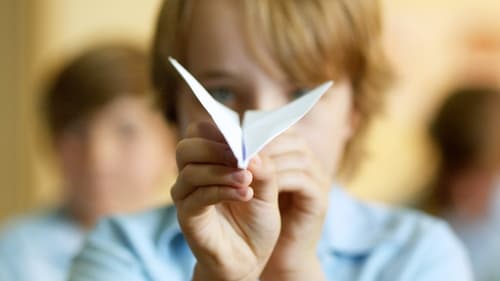 AU
AUFrom Canada
View all (72)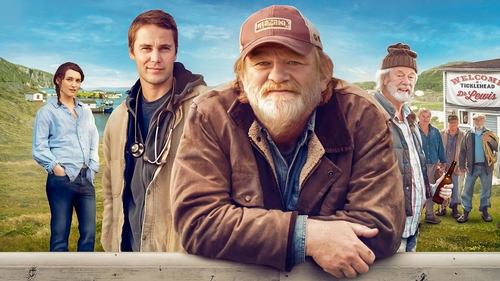 CAThe Grand Seduction2014 · Film · ★ 6.7
 CARenaissance Man1994 · Film · ★ 6.1
 CAAfter the Ball2015 · Film · ★ 6.3
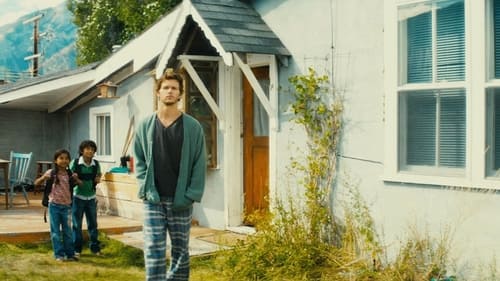 CAThe Right Kind of Wrong2013 · Film · ★ 5.9
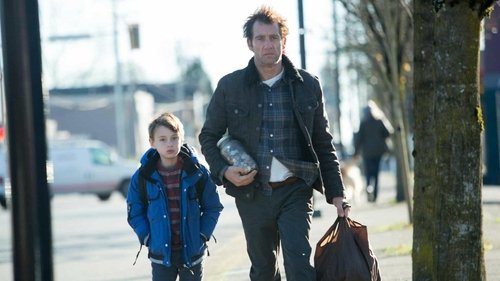 CAThe Confirmation2016 · Film · ★ 6.4
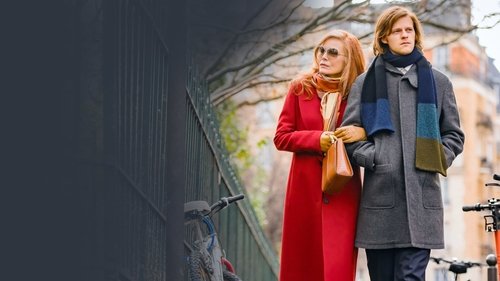 IEFrench Exit2021 · Film · ★ 5.6
 CALying to Be Perfect2010 · Film · ★ 6.1
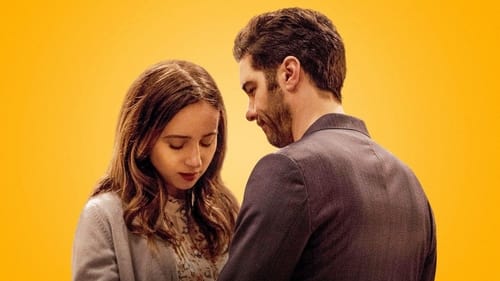 CAThe Kindness of Strangers2019 · Film · ★ 6.4
From Ireland
View all (22)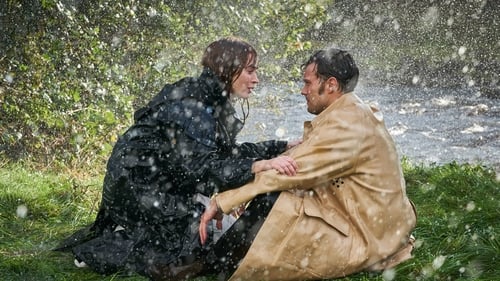 IE
IE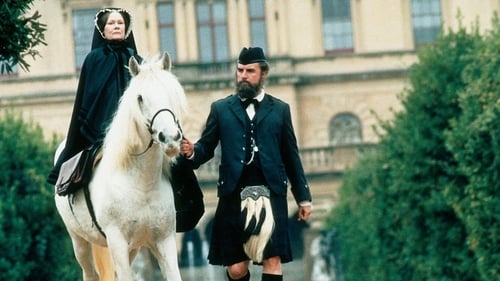 IE
IE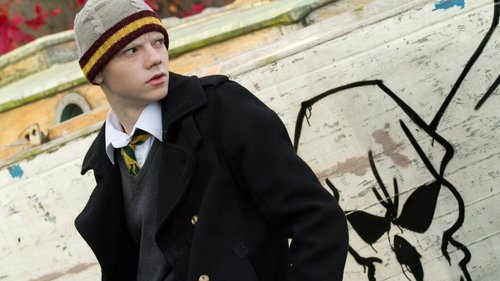 IE
IE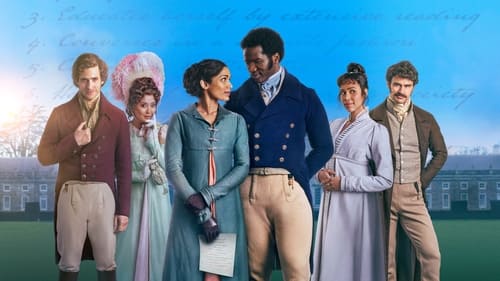 IE
IEFrom New Zealand
View all (13)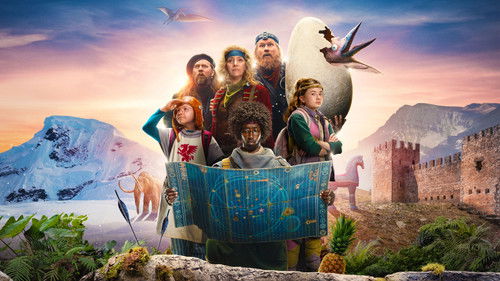 NZ
NZ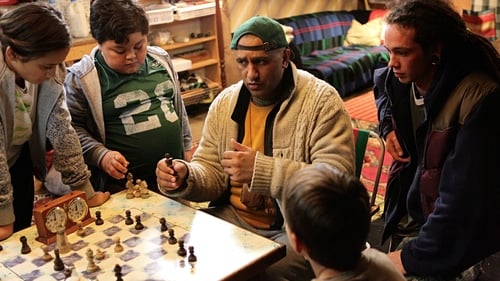 NZ
NZ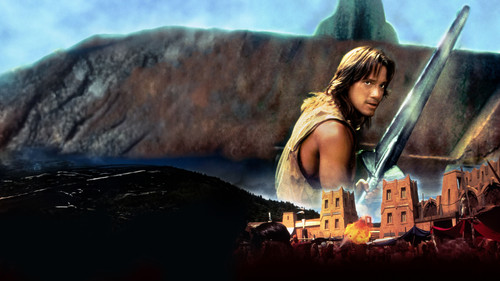 NZ
NZ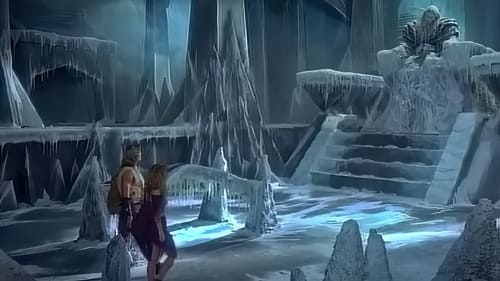 NZ
NZChristmas films
View all (32) CA
CA CA
CA CA
CA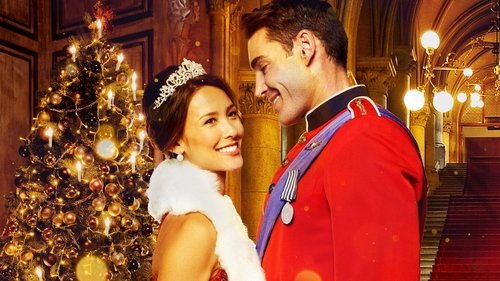 CA
CAThe Dulo guide to four national screens
Dulo: films and series from Australia, Canada, Ireland and New Zealand, with Strictly Ballroom, Angela's Ashes, Father Ted, The Grand Seduction, Time Bandits, Wellington Paranormal and SeaChange
Four English-speaking countries live in the shadow of two giants. Australia, Canada, Ireland and New Zealand share a language with Hollywood and with British television, and their best actors and directors are forever being borrowed by one or the other. Yet each has kept a screen culture of its own, with its own humour, its own landscapes and its own way of telling a story, and each makes far more than most viewers abroad ever see. Dulo is a guide to 121 films and 100 series from the four, made between 1973 and 2026. Each has a page with its cast, its episodes where it has them, and a Watch now button that leads to the official services carrying it.
Eighty-one titles come from Australia, seventy-two from Canada, twenty-two from Ireland and thirteen from New Zealand, and a further thirty-two are Christmas films, nearly all of them shot in Canada, which have a shelf to themselves. The hundred series have 3,027 episodes between them. Ninety-three titles are comedies. This guide takes the four countries in turn, then the Christmas films, then looks across the catalogue at comedy, children's programmes, history and true stories, and closes with the search, My List and a plan for a first fortnight.
What Dulo is
Dulo is a viewing guide. Each of its 221 pages describes one title: its story, the year in which it was made, its leading actors, its director where one is recorded and, for a series, the order of its seasons and episodes with their dates. At the top of each page is a Watch now button with a country selector beside it. Choose the country you are in, press the button, and JustWatch opens with the services that carry the title there, whether by subscription, rental, purchase or free with advertising. The how to watch page sets out the three steps in brief.
The selection was made by hand, one summary at a time, with a mixed household in mind. It favours comedy, family drama, history, children's programmes and stories of small communities, and it leaves aside crime series, war films and horror. All four countries have strong public broadcasters with a duty to make programmes for everyone, and much of the catalogue comes from them.
These productions travel unevenly. An Australian series may be on a large service in one country and unavailable in the next; a Canadian film may be easier to find in Europe than at home. That is why each page leads to a live list of services for the country you choose, with the four home countries at the top of the selector.
How the pages are arranged
The site is arranged like an application. A dark column runs down the left of every page, with the name in red Gothic lettering at its head, the search field beneath it, and then the menu: Films, Series, the four countries, the A to Z, a red My List button and Help. The rest of the screen, on a ground that is almost black, belongs to the titles.
The home page shows them as rows of wide stills with rounded corners, four across, under headings marked with a red bar. Each still carries a small red label with the country of production, most often AU, CA, IE or NZ, and beneath it stand the title, the year, the word Film or Series and the score. The first row holds the top-rated titles; rows follow for Australia, Canada, Ireland, New Zealand and the Christmas films, each with a link to the whole list. On a telephone the column folds away into a bar across the top, the stills stand two across, and the three-bar button opens the menu with a search field of its own.
Australia: the films
Eighty-one titles are Australian, and the Australian guide sorts them. Australian cinema revived in the 1970s with government support and has produced, ever since, films of a recognisable temper: dry, generous, suspicious of pretension and fond of the misfit. Strictly Ballroom, made in 1992, is the best loved. Baz Luhrmann's first film is set in the world of competitive ballroom dancing, where a gifted young dancer scandalises the federation by inventing his own steps and takes as his partner a plain beginner from a Spanish family behind a corner shop. It is a fairy tale told at full volume, with sequins, and its charm is as fresh as ever.
The Year of Living Dangerously, directed by Peter Weir in 1982, sends a young Australian radio correspondent, played by Mel Gibson, to Jakarta in 1965, where a tiny Chinese-Australian cameraman takes him in hand; Linda Hunt won an Academy Award for the part. Proof, from 1991, is a small, sharp drama about a blind man who takes photographs so that others can describe them to him and prove that the world is as he has been told; it gave leading parts to Hugo Weaving and a very young Russell Crowe. Tim, from 1979, has Gibson in his first notable role, as a simple-hearted gardener befriended by an older woman, and Japanese Story and Mental are two of several films here with Toni Collette.
The comedies are the country's signature. Young Einstein, the invention of a comedian who called himself Yahoo Serious, reimagines the great physicist as the son of a Tasmanian apple farmer who splits the atom in order to put bubbles into beer; it was an enormous success at home in 1988. Kenny is a mock documentary about a cheerful, philosophical man who rents and maintains portable lavatories at fairs and race meetings, and it is far sweeter than its subject suggests. In The Man Who Sued God, Billy Connolly plays a fisherman whose boat is destroyed by lightning; when his insurers call it an act of God, he takes the churches to court. Charlie & Boots sends Paul Hogan and Shane Jacobson, as a father and son, on a drive from the southern coast to the northern tip of the continent to go fishing, Cosi has a young director staging a Mozart opera with the patients of a psychiatric hospital, and Top End Wedding is a romantic comedy that travels to the Tiwi Islands off the north coast.
Family life is the other great subject. The Black Balloon is about a boy of fifteen with a new school, a first girlfriend and an elder brother with severe autism whom he loves and is embarrassed by. The Boys Are Back has Clive Owen as a sports writer left to raise two sons on his own, with a policy of saying yes to everything. The Tree is about a girl who believes that her late father speaks to her from the great fig tree beside the house; December Boys, with Daniel Radcliffe, about four orphans on a seaside holiday in the 1960s; and Paper Planes about a country boy with a gift for folding aircraft who reaches the world championships in Japan. Drift tells how two brothers in the 1970s began making wetsuits and boards in a garage and helped to found the surfing industry, and Accidents Happen, Around the Block, I Met a Girl and the musical Emo: The Musical are stories of the young.
Two films stand apart. Ten Canoes, made in 2006 by Rolf de Heer with the people of Ramingining in Arnhem Land, was the first feature filmed entirely in Aboriginal languages; it tells a story within a story, about a young man who covets his elder brother's wife, with a narration by the great actor David Gulpilil that is full of mischief. Gulpilil himself is the subject and star of Charlie's Country, about an old man who decides to return to the bush and live in the old way, and he won a prize at Cannes for it.
Australia: the series
SeaChange, first shown in 1998, is the Australian series most likely to be remembered with a smile. A city lawyer whose marriage and career collapse in the same week takes her two children to a small coastal town and a post as its magistrate, and finds a community of eccentrics who judge her as shrewdly as she judges them. Sigrid Thornton plays her, and the phrase sea change entered Australian speech to mean a move from the city to the coast. Under the Vines, made in New Zealand with an Australian star, and The Wrong Girl, Spirited, in which a dentist finds the ghost of an English rock star in her new flat, Wonderland, Winners & Losers and House Husbands are light dramas in the same friendly line.
Australian television has a taste for history. Against the Wind, a serial of 1978, follows an Irish girl transported to New South Wales in the 1790s and was a great success abroad. The Incredible Journey of Mary Bryant tells the true story of a Cornish convict who escaped from the colony in an open boat and sailed more than three thousand miles, and The Secret River, from the novel by Kate Grenville, shows a transported Thames boatman claiming land on a river whose people have lived there for ever. Jessica is set on a sheep station before the First World War, The Shiralee on the roads of the 1940s, where a wandering labourer, played by Bryan Brown, finds himself in sole charge of his small daughter, and Ten Pound Poms among the British families who emigrated in the 1950s on an assisted passage costing ten pounds. Last Days of the Space Age is set in Perth in 1979, the year a space station fell on Western Australia, and Howzat! Kerry Packer's War dramatises the television magnate's remaking of cricket.
The comedies are sharp. Frontline, made from 1994, is a satire set in the office of a television current affairs programme whose handsome presenter is the last to know what is going on; it was filmed with hand-held cameras and real news footage, and its jokes about journalism have aged alarmingly well. The Librarians is set in a suburban library ruled by a head librarian of unshakeable prejudices. A Moody Christmas visits one family on six successive Christmas Days. The Paul Hogan Show is the sketch programme that made a rigger from the Sydney Harbour Bridge the country's favourite comedian, and Squinters, Back in Very Small Business, Diary of an Uber Driver, Preppers, Aftertaste, about a famous chef back in his home town, and The Wizards of Aus are newer comedies.
All Saints, set in a Sydney hospital, ran for 493 episodes from 1998 and is the longest programme on Dulo. Pulse, Reef Doctors and Amazing Grace, set at a birth centre, are shorter medical dramas, and Fires is an anthology drawn from the bushfire summer of 2019 and 2020. Barons returns to the surfers of the 1970s, Class of '07 maroons a school reunion on an island after a great wave, and Camp, The Heights, Back to the Rafters, Paper Dolls, Top End Bub, Ghosts Australia, Two Years Later, Dear Life and The Airport Chaplain bring the shelf up to date.
Canada: the films
Seventy-two titles are Canadian, and the Canadian guide introduces them. Canadian films are made beside the largest film industry in the world and often define themselves against it: smaller, slyer and more interested in the place where they are set. The Grand Seduction, from 2014, is a good example and a good place to begin. A fishing harbour in Newfoundland can win a factory only if it has a resident doctor, so when a young plastic surgeon from the city is sent there for a month, the whole village, led by Brendan Gleeson, conspires to make him love it: they learn cricket overnight, listen to his telephone calls and leave banknotes for him to find on the quay.
Saint Ralph is set in Hamilton, Ontario, in 1954, where a schoolboy of fourteen decides that the miracle needed to wake his mother from a coma is for him to win the Boston Marathon. Gunless is a comic western in which a notorious American gunfighter, played by Paul Gross, rides into a Canadian hamlet and can find nobody willing to fight him. Come from Away is the filmed stage musical about the town of Gander in Newfoundland, which on a single day in September 2001 took in thirty-eight diverted airliners and seven thousand stranded passengers. Indian Summer reunites a group of friends at the lakeside camp of their childhood, with Alan Arkin as its owner, and I Like Movies is a recent comedy about a film-mad teenager working in a video shop in 2003.
Many films are made jointly with partners abroad. Midnight's Children, directed by Deepa Mehta from the novel by Salman Rushdie, follows two boys exchanged at birth at the moment of India's independence. French Exit, filmed in Montreal and Paris, has Michelle Pfeiffer as a Manhattan widow who has spent her fortune and sails for France with her son and a cat. Words and Pictures, an Australian and Canadian production directed by Fred Schepisi, sets an English teacher and an art teacher, played by Clive Owen and Juliette Binoche, to argue which matters more; Owen also leads The Confirmation, as a carpenter spending a weekend with his young son. Boundaries, with Vera Farmiga and Christopher Plummer, The Kindness of Strangers, The Story of Luke, about a young man with autism looking for his first job, Chloe and Theo, Blue Heron, The Right Kind of Wrong and After the Ball, a fairy tale of the fashion trade, are further examples.
The films made for television and for families are numerous. Homeless to Harvard: The Liz Murray Story tells of a girl who slept in stairwells and won a scholarship to university. The Audrey Hepburn Story follows the actress from a wartime childhood to her first great parts. Harrison Bergeron, from a story by Kurt Vonnegut, imagines a future in which everyone is made equal by law, and The Neptune Factor, from 1973, is an undersea adventure. Chilly Dogs sends a city man into a sled-dog race, Ice Castles is a skating romance, and One Last Dance, Lying to Be Perfect, Bob the Butler, Winner, Stardust and Night of the Twisters complete the shelf.
Canada: the series
Canadian television comedy has an influence far beyond its size. SCTV Channel is the last season of the sketch programme, set in the studios of a tiny television station, whose company included John Candy, Eugene Levy, Catherine O'Hara and Martin Short; it is one of the fountainheads of modern comedy. King of Kensington, from 1975, was the country's first great home-grown sitcom, about a shopkeeper in a multicultural Toronto market. The Newsroom, created by Ken Finkleman in 1996, is a dry and merciless comedy about a vain news director, filmed as if by a documentary crew years before that became the fashion. Maniac Mansion, devised by Eugene Levy, is a family sitcom about an inventor whose experiments have gone slightly wrong, and Super Dave presents a stuntman whose stunts always fail.
The newer comedies are gentler. Hiccups is about a children's author with a temper and the life coach who is supposed to cure it. Shelved is set in an underfunded branch library in Toronto; Children Ruin Everything shows a couple trying to remain people as well as parents; Late Bloomer follows a young woman making videos in her parents' house; Cavendish sends two brothers home to a very odd town on Prince Edward Island; and Robson Arms looks into the flats of one old Vancouver building. InSecurity is a spoof of spy dramas, and Sensitive Skin, with Kim Cattrall, a comedy of middle age.
The dramas reflect a large and varied country. North of 60, which ran for six seasons from 1992, is set in a small Dene community in the Northwest Territories and was the first major series to show northern Indigenous life from the inside. Little Bird, a recent six-part drama, follows a woman taken from her family on a reserve as a child and adopted in Montreal, who goes in search of them. Street Legal follows a Toronto law firm through 130 episodes; The Eleventh Hour a television current affairs team; This Life a family in Montreal; Remedy the staff of a hospital, from surgeons to porters; and In Contempt a legal aid office. Edgemont, Instant Star and Falcon Beach are dramas of teenagers, and Everest tells of the first Canadians to climb the mountain.
Canada is also where a great many adventure series are filmed. Flash Gordon, Primeval: New World, The Last Templar, Queen of Swords, Tropical Heat, Amazon, Robyn Hood, a version of Ben Hur and a half-hour Tarzán of the early 1990s all belong here, and Cirque du Soleil: Solstrom gives thirteen episodes to the famous Quebec circus.
Ireland
Twenty-two titles are Irish, and the Irish guide lists them. Irish cinema leans on Irish writing, as it should. Angela's Ashes, directed by Alan Parker from Frank McCourt's memoir, is the most followed film on Dulo: a childhood in the lanes of Limerick in the 1930s, with a mother who holds the family together and a father who talks beautifully and brings home too little. It is a hard story told with a great deal of humour. The Field, from the play by John B. Keane, has Richard Harris as a farmer who has spent his life improving a rented field and will let nobody else buy it. Dancing at Lughnasa, from Brian Friel's play, shows five unmarried sisters in Donegal in the summer of 1936, with Meryl Streep as the eldest, and Circle of Friends, from Maeve Binchy's novel, follows three girls from a small town to university in Dublin in the 1950s; it made a star of Minnie Driver.
The Van completes the film trilogy drawn from Roddy Doyle's novels of a Dublin housing estate. Two friends who have lost their jobs buy a filthy fish-and-chip van and make their fortune during the World Cup of 1990, when all Ireland was in the streets, and nearly lose their friendship doing it; Colm Meaney is at his best. Life's a Breeze is about a family searching the city's rubbish tips for a mattress stuffed with their mother's savings, The Last of the High Kings about a boy waiting for his examination results in the summer of 1977, and Killing Bono about two brothers whose school band was the one that failed to become famous, while their classmates became U2.
History and biography supply the rest. Mrs Brown stars Judi Dench as Queen Victoria in her long mourning and Billy Connolly as the Highland servant who coaxed her back into the world. Evelyn, with Pierce Brosnan, tells of a Dublin father in 1953 who went to the highest court to recover his children from institutions. The Journey imagines a car ride shared by two sworn enemies of Northern Irish politics, played by Timothy Spall and Colm Meaney, on the eve of their agreement. Mickybo and Me is about two small boys in Belfast in 1970, from opposite sides of the divide, who are united by a film about two American outlaws. The Racer is set in 1998, when the Tour de France began in Ireland, and Wild Mountain Thyme, End of Sentence, The Last Right, Death of a Superhero and the Regency comedy Mr Malcolm's List, filmed in Irish country houses, are recent productions.
On television, Father Ted needs little introduction. Written by two Irishmen for a British channel and filmed in County Clare, it follows three priests banished to a parish on a windswept island: the scheming Ted, the simple Dougal and the terrifying Father Jack, with their housekeeper, who presses tea on every visitor until they give in. In twenty-four episodes it became the most quoted comedy in Ireland, and it is the most followed series on Dulo. Striking Out is a drama about a Dublin solicitor who starts again on her own, Finding Joy a comedy about a tidy-minded woman pushed in front of a camera, and Treasure Island a two-part adventure filmed partly in Ireland, with Eddie Izzard as Long John Silver.
New Zealand
Thirteen titles are from New Zealand, and the New Zealand guide gathers them. The country's comedy has a tone found nowhere else, deadpan to the point of stillness. Wellington Paranormal is its purest expression: two earnest and slightly dim police officers are assigned to investigate the supernatural in the capital, and report on possessed teenagers and haunted car parks in the flat voice of a traffic bulletin. It grew out of a celebrated comedy film about vampires who share a house. Time Bandits, made in New Zealand in 2024 by some of the same people, retells a famous fantasy about a boy who falls in with a gang of time-travelling thieves, with Lisa Kudrow as their leader.
The Dark Horse is the finest of the films. Cliff Curtis plays Genesis Potini, a brilliant speed-chess player who lived with severe mental illness and gave his later years to teaching chess to the children of a poor town; it is a true story and a deeply affecting one. Juniper sets a sullen schoolboy to look after his formidable English grandmother, played by Charlotte Rampling. Love Birds is a romantic comedy with Rhys Darby and an injured duck, Good Grief a series about two sisters who inherit a funeral parlour, and Under the Mountain a children's adventure from a classic novel about twins and the volcanoes of Auckland.
New Zealand's landscapes made it a home for fantasy long before the famous trilogies. Four television films of 1994, among them Hercules and the Lost Kingdom and Hercules in the Underworld, introduced Kevin Sorbo as the Greek hero, with Anthony Quinn as his father Zeus, and led to a series that ran for years. The Legend of William Tell moves the Swiss archer to an invented kingdom, and A Twist in the Tale has William Shatner telling stories to a circle of children.
Christmas films
Thirty-two titles are Christmas films, and the Christmas guide lists them. They form a genre with rules as strict as a sonnet. A capable woman with a demanding job, or a shop to save, meets a man who seems wrong for her in a small town deep in snow; there is baking, a tree-lighting, a misunderstanding in the last quarter of an hour and a kiss as the flakes begin to fall. Nearly all are filmed in Canada, where the snow can be relied upon and the towns of Ontario and British Columbia stand in for Vermont and Connecticut.
Within the rules there is variety. Some are fantasies: in A Timeless Christmas a gentleman of 1903 arrives in the present day in his own house, now a museum, and in Journey Back to Christmas a nurse of 1945 is carried forward seventy years by a comet. Some have a touch of royalty, like Christmas with a Prince and A Royal Date for Christmas. Many are about work: the rival teachers of A Cookie Cutter Christmas, the caterer of Catering Christmas, the float builders of A Rose for Christmas, the department stores of Charming Christmas and My Christmas Dream, and the wedding planner of Christmas Wedding Planner, the most followed of the group. Pride, Prejudice and Mistletoe and A Very Merry Mix-Up play with mistaken first impressions, and Finding Santa, Naughty or Nice, Santa Baby, Northern Lights of Christmas, The Enchanted Christmas Cake and a dozen more are there for anyone who would like one for every evening of December. A few summer romances of the same family, such as Summer Villa, Love Locks and Kiss at Pine Lake, share the shelf.
Comedy across four countries
Ninety-three titles are comedies, and the comedy guide arranges them. Seen together they show a family resemblance. All four countries distrust the boaster and warm to the trier; their heroes are the portable-lavatory man of Kenny, the unemployed chip-van owners of The Van, the harbour full of fibbers in The Grand Seduction and the constables of Wellington Paranormal, people doing their best with a straight face. The mock documentary, in which a camera crew solemnly records absurd behaviour, is a form in which Australia, Canada and New Zealand all excel, from Frontline and The Newsroom in the 1990s onward.
Satire of the media runs through the shelf: three of the best series here, Frontline, The Newsroom and SCTV Channel, are about television itself. The sitcom of the small community is another shared form, in Father Ted, SeaChange, Cavendish and Good Grief. And each country has its clowns: Paul Hogan and Yahoo Serious, Eugene Levy and the SCTV company, Rhys Darby, and the three priests of Craggy Island.
For children
The four countries make some of the best children's television in English, and the children's guide picks it out. Lockie Leonard, from the novels of Tim Winton, is about a surf-mad boy of twelve whose family moves to a small town on the coast of Western Australia; it treats its hero's embarrassments with rare respect. Worst Year of My Life, Again! makes a boy repeat the most humiliating year of school, and Gymnastics Academy: A Second Chance follows a young American gymnast training in Australia. From Canada come Annedroids, about a girl inventor and the three androids she has built in a scrapyard, Dino Dan, whose hero sees dinosaurs in his own street, The Latest Buzz, set at a magazine written by teenagers, Wingin' It and Some Assembly Required, about a boy who becomes the owner of a toy company. Among the films, Paper Planes and Under the Mountain are made for the same audience.
The series
A hundred titles are series, and the series guide divides them by length. The long runners are few: All Saints, Street Legal with 130 episodes, King of Kensington with 111, Winners & Losers with 109 and North of 60 with 95. Most of the rest are short by American standards. Australian and Irish dramas are usually made in seasons of six, eight or ten episodes, and a good many of the titles here, such as Fires, Little Bird, Barons, The Secret River and Last Days of the Space Age, are complete in a single season. A viewer can therefore finish a whole story in a weekend, and the page for each series lists every episode with its date.
History on screen
Period drama is a strength of all four countries, and the history guide lists the titles by era. The founding of the Australian colonies is told three times, from the convict's side, in Against the Wind, The Incredible Journey of Mary Bryant and The Secret River. Ireland between independence and the 1960s is the world of Angela's Ashes, Dancing at Lughnasa, The Field, Circle of Friends and Evelyn. The middle of the twentieth century appears in Saint Ralph, The Shiralee, Ten Pound Poms and December Boys, and the 1970s, a decade for which Australian television has great affection, in Barons, Drift, Last Days of the Space Age and Howzat! Kerry Packer's War. Moby Dick, a two-part version of the great American novel with Patrick Stewart as Captain Ahab, was filmed in Australia.
True stories
A good many titles are drawn from life, and the true stories guide gathers them. Some are portraits: Queen Victoria in Mrs Brown, the chess teacher Genesis Potini in The Dark Horse, the singer Olivia Newton-John in Olivia: Hopelessly Devoted to You, the young Errol Flynn, sailing to New Guinea before he was famous, in In Like Flynn, and Audrey Hepburn in The Audrey Hepburn Story. Some record events: the diverted airliners of Come from Away, the bushfires of Fires, the climb of Everest, the cricket revolution of Howzat! Kerry Packer's War. And some are stories of one person against the odds, like Homeless to Harvard: The Liz Murray Story, Evelyn and The Racer.
Stars to follow
Part of the pleasure of these films is seeing famous actors before the world knew them, and the stars guide points them out. Mel Gibson is twenty-three in Tim and a rising star in The Year of Living Dangerously. Russell Crowe and Hugo Weaving share Proof; Ben Mendelsohn leads Cosi; Toni Collette appears in Cosi, Japanese Story, The Black Balloon and Mental; and the series Sweat, set at a school for young athletes in Perth, has an early part for Heath Ledger. Minnie Driver was discovered in Circle of Friends, and Jared Leto, of all people, is the Dublin schoolboy of The Last of the High Kings.
Others can be followed from title to title. Paul Hogan appears in his own sketch show of the 1970s, in Charlie & Boots and, as himself, in The Very Excellent Mr. Dundee. Shane Jacobson is in three films. Clive Owen leads The Boys Are Back, Words and Pictures and The Confirmation. Colm Meaney is in The Van and The Journey, Billy Connolly in Mrs Brown and The Man Who Sued God, Claudia Karvan in Spirited and Newton's Law, and Amy Huberman in Striking Out and Finding Joy. The search field accepts all of these names.
Choosing for the family
Because the selection was made with a mixed household in mind, most of the catalogue can be shared, and the family viewing guide picks titles for different company. With children, Paper Planes, Lockie Leonard, Annedroids and Time Bandits are the natural choice. For the whole house, The Grand Seduction, SeaChange, Saint Ralph and Strictly Ballroom have something for every age, and any of the Christmas films will do in season. With grandparents, Mrs Brown, Dancing at Lughnasa and The Shiralee are sure ground.
A few points are worth knowing beforehand. Angela's Ashes shows real poverty and the death of small children. The Boys Are Back, The Tree and Death of a Superhero deal with bereavement and serious illness, and Little Bird and The Secret River with the wrongs done to Indigenous peoples. Father Ted makes fun of priests, affectionately, and some of the comedies use the blunt language of their home towns. Each title page carries a full summary, so a parent can read it in a minute and decide.
Places on screen
Landscape is a character in these productions. Australian films return again and again to the red interior, the long straight roads of Charlie & Boots and Japanese Story, and to the coast, where most Australians actually live: the surf beaches of Drift and Barons, the fishing town of SeaChange, the tropical north of Top End Wedding and Top End Bub. Canadian titles range from the outports of Newfoundland to the Arctic settlements of North of 60, the lakes of Ontario in Indian Summer and the streets of Toronto, Montreal and Vancouver, which for once play themselves instead of an American city. Ireland appears as the lanes of Limerick, the hills of Donegal and Kerry, and the housing estates and quays of Dublin; New Zealand as the harbour capital of Wellington Paranormal and the volcanic cones of Auckland in Under the Mountain.
The voices matter as much as the views. Each country has accents and turns of phrase that its films relish, from the clipped understatement of the Newfoundland fishermen to the Dublin wit of Roddy Doyle's characters, and subtitles are available on most services for any viewer who would like help with them.
A few words worth knowing
Some terms recur on the title pages and in this guide. The ABC and SBS are the Australian public broadcasters, the CBC the Canadian one, RTÉ the Irish and TVNZ the New Zealand; a great many titles here were made for them. A co-production is a film or series financed in two or more countries, which is why some pages list several: French Exit is Canadian and Irish, Words and Pictures Australian and Canadian. The outback is the dry interior of Australia and the bush its countryside in general; a station is a very large farm. The Maritimes and Newfoundland are the Atlantic provinces of Canada, the setting of The Grand Seduction, Come from Away and Cavendish.
The red label on each still gives the country of production as the record lists it, which can surprise. Father Ted, written and played by Irishmen and filmed in County Clare, carries the label of the British channel that paid for it, and where an Australian or Canadian company has contributed to a film set elsewhere the result is odder still: Renaissance Man, a comedy with Danny DeVito as an advertising man teaching Shakespeare to army recruits, and The Power of One, set in South Africa, both carry it.
By period
Fifty titles were made before 2000. They include the oldest, The Paul Hogan Show of 1973, King of Kensington, Against the Wind and Tim from the 1970s; The Year of Living Dangerously, Young Einstein and Street Legal from the 1980s; and, from the 1990s, Strictly Ballroom, Proof, Father Ted, Frontline, The Van, SeaChange and Angela's Ashes. Thirty-eight come from the 2000s, among them Kenny, Ten Canoes, Saint Ralph and The Black Balloon. Eighty-seven, the largest group, come from the 2010s, including The Grand Seduction, The Dark Horse, Paper Planes, Wellington Paranormal and most of the Christmas films, and forty-six have appeared since 2020, among them Come from Away, Fires, Ten Pound Poms, Little Bird and Time Bandits.
Top rated
The Top rated list holds the seventeen titles that score at least seven out of ten from ten or more viewers, and its four most followed open the home page: Angela's Ashes, Father Ted, The Power of One and Wellington Paranormal. Behind them come Homeless to Harvard: The Liz Murray Story, The Field, Saint Ralph, Come from Away, Charlie's Country and Mickybo and Me, and the series The Incredible Journey of Mary Bryant, The Secret River, Against the Wind, Fires and A Moody Christmas. Ireland and Australia dominate. Many good titles fall outside the list simply for want of ten voters, since these productions are seen by far fewer people abroad than they deserve, so the list is best read beside the summaries.
Search and the A to Z
The search field sits at the top of the left column on every page. Type a few letters and results appear at once beneath it; the search looks at titles, actors and directors. The finding titles page summarises the methods. Typing "Christmas" brings more than twenty films, "Hercules" brings four, and "Toni Collette" brings her four. On a telephone the search field is in the menu behind the three-bar button.
The A to Z page sets out all 221 titles in a single alphabetical index. The Films and Series pages show each kind most popular first, and each of the twelve lists has a page of its own with a line of description and a count.
My List
Films from four countries are easy to lose track of, and a line-up keeps them together. Each title page places an Add to My List button directly after Watch now, and one press adds the title. The red My List button in the left column opens the line-up, where every saved film and series appears as a still with a Remove button beneath it. The My List page explains each button. The line-up sits in the browser on the device you are using, so it is unchanged on your next visit, and the list page can send it to a small file as a safeguard or for another computer.
How Watch now works
Every title page has a country selector with fifteen countries, headed by Australia, Canada, Ireland and New Zealand and followed by the United States, the United Kingdom and nine more. Pick yours and press Watch now. JustWatch opens on the page for that title and shows the services that carry it there, grouped by subscription, rental, purchase and free viewing. The large international services, the public broadcasters' own free platforms and the specialist services all appear in those lists. Availability differs from one country to the next, which is why the selector comes first.
A first fortnight
Here is a plan for fourteen evenings that visits all four countries. Begin in Australia with Strictly Ballroom. On the second evening watch the first three episodes of Father Ted, and on the third The Grand Seduction. The fourth belongs to Wellington Paranormal, the fifth to the opening of SeaChange, and the sixth to Angela's Ashes. On the seventh, watch Kenny. In the second week, take The Dark Horse, Saint Ralph, The Van, Proof and two episodes of Frontline, and give the remaining evenings to Little Bird or The Secret River, each complete in a few hours. By then you will have laughed in four accents, and Dulo will have more than two hundred titles still to offer.
Questions and answers
Questions
What is Dulo?
Dulo is a guide to 121 films and 100 series from Australia, Canada, Ireland and New Zealand, 1973 to 2026, each with a Watch now button.
Which title should I watch first?
Start with Strictly Ballroom from Australia, The Grand Seduction from Canada, Father Ted from Ireland and Wellington Paranormal from New Zealand.
Is the catalogue suitable for families?
Yes. Every summary was read by hand, and the selection favours comedy, family drama, history and children's programmes.
How many titles come from each country?
Eighty-one are Australian, seventy-two Canadian, twenty-two Irish and thirteen from New Zealand, with thirty-two Christmas films on a shelf of their own.
Are there programmes for children?
Yes. Lockie Leonard, Annedroids, Dino Dan, Paper Planes and others are gathered in the Family and children list.
How many episodes are listed?
The 100 series have 3,027 episodes between them, and each series page lists them with their dates.
How does My List work?
Press Add to My List on a title page. The line-up sits in your browser on your device, and the list page can send it to a file.
Does Dulo host films or series?
Dulo is a guide only. Every Watch now button opens JustWatch, which lists the official streaming, rental and purchase services for your country.
